If you’re researching Panama Canal tours, you’ve probably noticed that the pricing varies wildly depending on what kind of experience you’re actually after. A quick look from the Miraflores visitor center costs less than a cheap lunch. A full transit aboard a cruise ship can run you hundreds of dollars. Here’s what each option actually costs and what you get for the money.
How Much Does a Tour of the Panama Canal Cost?
The short answer: anywhere from $20 to $250+ per person. But that range is almost useless without context, so here’s how the pricing actually breaks down.
Miraflores Locks Visitor Center — $20 to $25
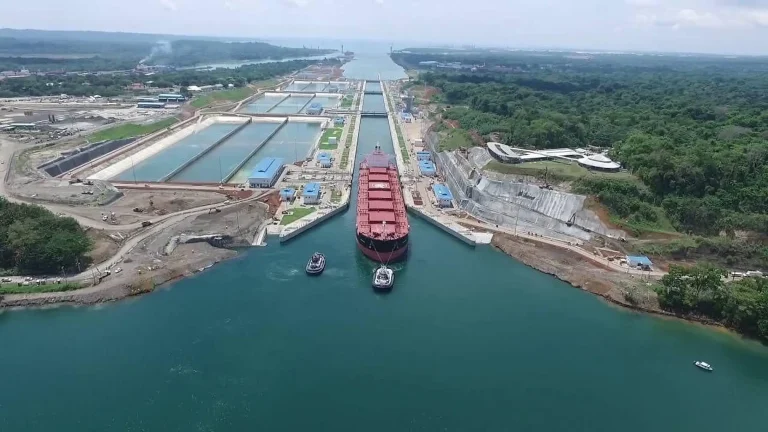
This is the ground-level option. You pay the entrance fee, walk up to the observation deck, and watch container ships squeeze through the locks from about 100 feet away. The center has a small museum explaining how the canal was built and operates. For most people, two to three hours is enough time here. If you’re not staying long in Panama City, this is the efficient choice — it’s about 30 minutes from the city center, and you can combine it with other sightseeing in the same day.
Partial Transit (one set of locks) — $115 to $165 per person
These half-day boat tours depart from Panama City and transit either the Miraflores or Gatun locks before turning back. You see the lock mechanism working from water level, which is genuinely different from the observation deck experience. The scale of the ships is harder to grasp until you’re sitting in a small boat next to a 900-foot freighter. Most tours run on Saturdays and take about four to five hours.
Full Transit (Pacific to Atlantic or reverse) — $180 to $250+ per person
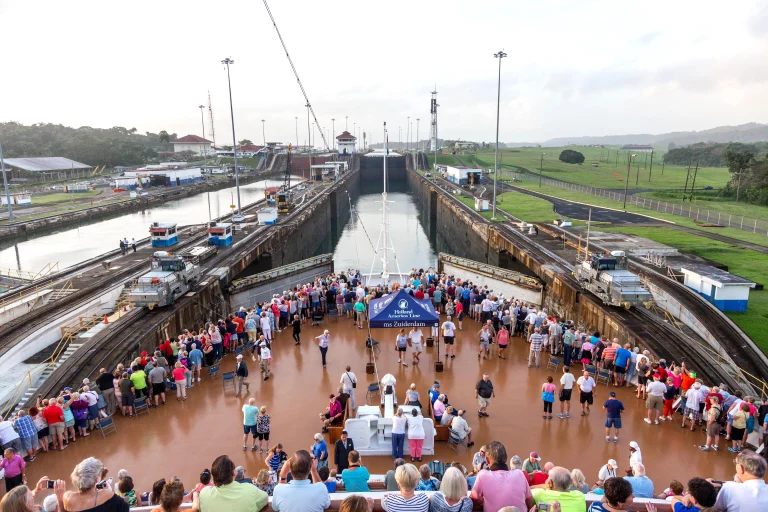
A complete crossing takes eight to ten hours. You transit all three sets of locks, sail across Gatun Lake, and end up on the opposite ocean. Most full-transit tours run on Sundays. This is the one travelers tend to describe as a bucket-list experience — not because of anything dramatic that happens, but because of the quiet satisfaction of physically crossing from one ocean to another on a boat the size of a fishing vessel.
Prices vary by operator. Panama Marine Adventures and Canal & Bay Tours are two of the better-known operators. Check their schedules directly, since full transits don’t run every day and seats book out weeks in advance during high season (December through April).
Is a Panama Canal Tour Worth It?
That depends on which version of the tour you’re weighing.
The Miraflores Visitor Center is worth the $20 for almost anyone spending more than a day in Panama City. It’s genuinely interesting, the museum is better than most people expect, and you’ll understand the engineering behind the locks in a way that watching a YouTube video doesn’t quite deliver.
The partial or full transit tours require more thought. At $115 to $250 per person, they’re a real expense — but they’re not remotely overpriced for what they offer. The full transit is a ten-hour day on a small boat on one of the busiest shipping routes in the world. If that sounds boring to you, it might be. If it sounds like a once-in-a-lifetime kind of afternoon, it probably is.
The honest version: most people who do the full transit say it exceeded their expectations. Most people who skip it and only visit Miraflores say they wish they’d spent more. That’s about as much as can be said without knowing your tolerance for slow-paced, historically significant experiences.
One practical consideration: Panama City is worth two to three days on its own, and the transit tours fit naturally into a longer visit. If you’re on a 24-hour layover, stick with Miraflores.
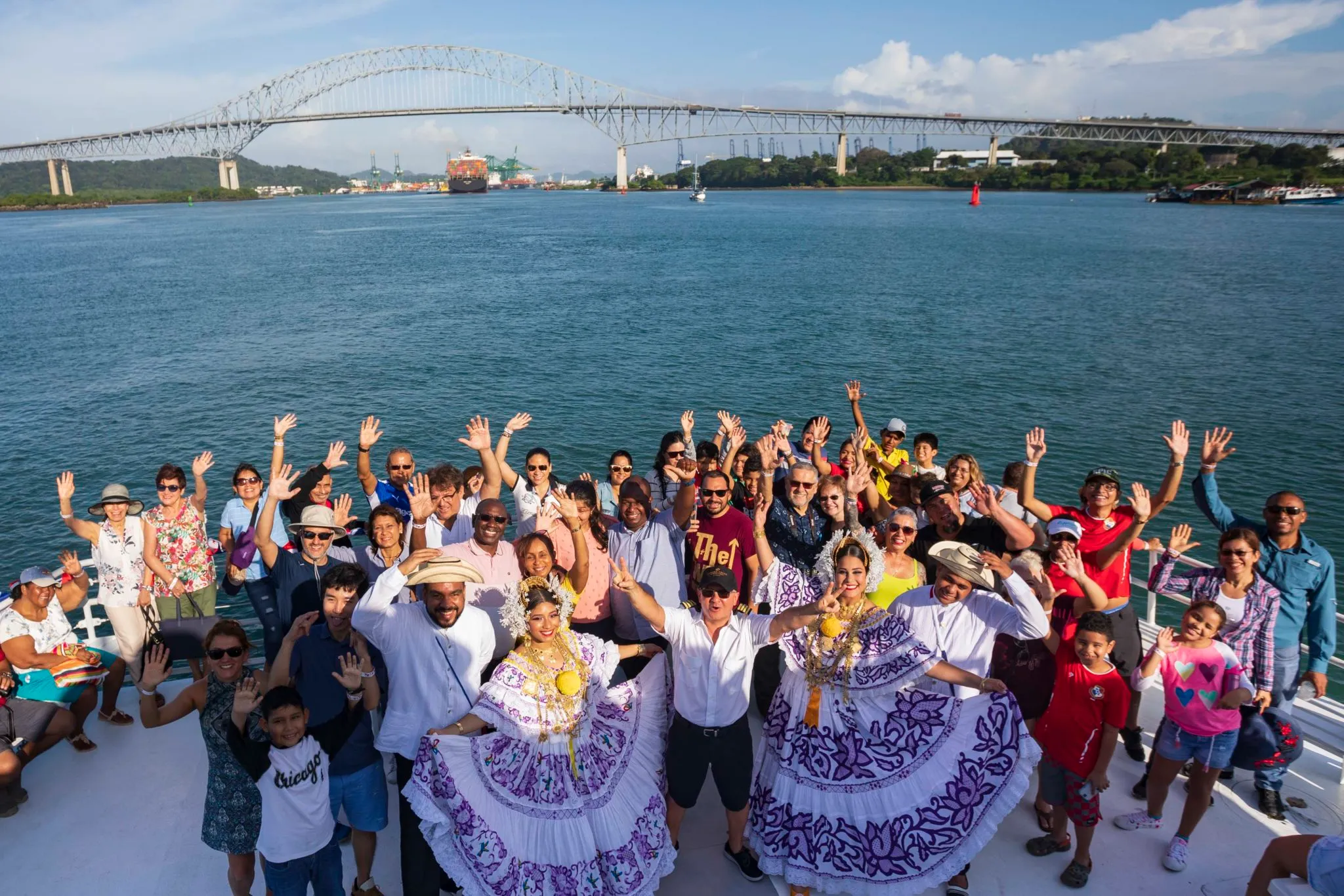
How Much Does It Cost for a 40-Foot Sailboat to Go Through the Panama Canal?
This is where the numbers get more involved. Transiting the Panama Canal in a private vessel isn’t just about the toll — there are several fees stacked on top of each other, and the total tends to surprise sailors who didn’t plan for it.
Here’s a realistic breakdown for a 40-foot sailboat:
Admeasurement fee — approximately $1,025. This is a one-time inspection fee paid to the Panama Canal Authority (ACP) to officially measure your vessel and assign it a tonnage rating. You pay this regardless of whether you transit.
Transit toll — around $800 to $1,200 for a vessel in this size range. The ACP calculates tolls for pleasure craft based on vessel length. A 40-foot sailboat typically falls into the 91 to 100 PC/UMS net ton range, which puts the toll at roughly $1,000 to $1,100.
Line handlers — $40 to $60 per person, per handler, plus tip. You’re required to have four line handlers aboard during transit. These are people who physically manage the lines that secure your boat inside the lock chambers. Some transiting sailors recruit other cruisers willing to trade the experience for a free ride. Others hire professionals through the marina. Budget $200 to $350 for line handlers total, not counting tips.
Agent fee — $200 to $400. Most sailors hire a local agent to handle paperwork, scheduling, and ACP communication. It’s technically optional, but the scheduling system is complicated enough that most skippers find the fee worthwhile.
Mooring and waiting fees — variable, typically $30 to $100 per night if you have to wait for a transit slot. Most vessels wait three to seven days for their assigned transit date.
Realistic total for a 40-foot sailboat: $2,000 to $3,500, depending on whether you hire handlers or recruit them, how long you wait at anchor, and whether you use an agent.
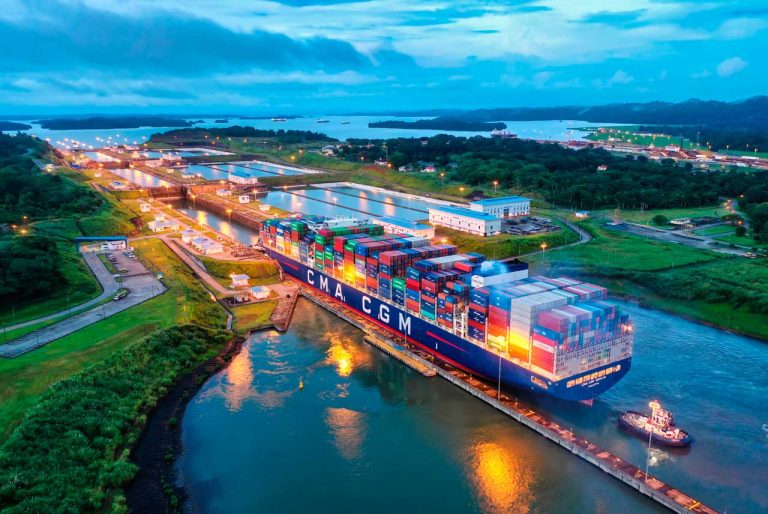
The canal itself doesn’t care whether your boat is a container ship or a 40-foot sloop — the lock chambers flood and drain the same way. But the experience of transiting in a small vessel is substantially different from being on a tour boat. You’re steering your own boat through the chambers, managing lines, and running on your own schedule across roughly 50 miles of canal and lake.
How Much Is $1 Worth in Panama?
Panama uses the US dollar. The official local currency is the Balboa, but it’s pegged 1:1 to the dollar and you’ll rarely see Balboa bills in circulation outside of coins (the coins are interchangeable with US coins). There’s no exchange rate to calculate.
What this means practically: if you’re arriving from the US, there’s no currency conversion advantage. Your dollar buys exactly what a dollar buys in Panama — which is to say, it varies considerably depending on where you spend it.
In local markets and smaller restaurants away from tourist areas, a full meal runs $4 to $8. A local beer at a neighborhood bar is $1.50 to $2.50. A taxi ride within Panama City’s central districts is $3 to $7. Fresh fruit at a market stall is cheap by almost any measure.
At tourist-facing restaurants, hotels in Casco Viejo, or the high-end malls near the financial district, prices are comparable to a mid-tier US city. A sit-down lunch in the Amador Causeway area will cost $15 to $25 per person without drinks.
So Panama is neither the budget destination some travelers expect nor an expensive one. The gap between tourist-economy prices and local-economy prices is fairly wide, and knowing which side of that gap you’re on matters more than the exchange rate.