Let’s get this out of the way right now. The Panama Canal is an absolute behemoth and honestly it’s a little baffling to figure out how to see the thing properly without feeling cheated.
I think a ton of folks just assume you board a colossal boat and boom, whole thing checked off. Nope.
You basically have two main options – full transit or partial transit. A full transit means dragging yourself ocean to ocean. Atlantic to Pacific or the reverse. It’s the big bucket list behemoth. Takes around 14 to 21 days depending on what random ports the cruise line slapped on the itinerary. You see everything. The entire 50-mile engineering juggernaut.
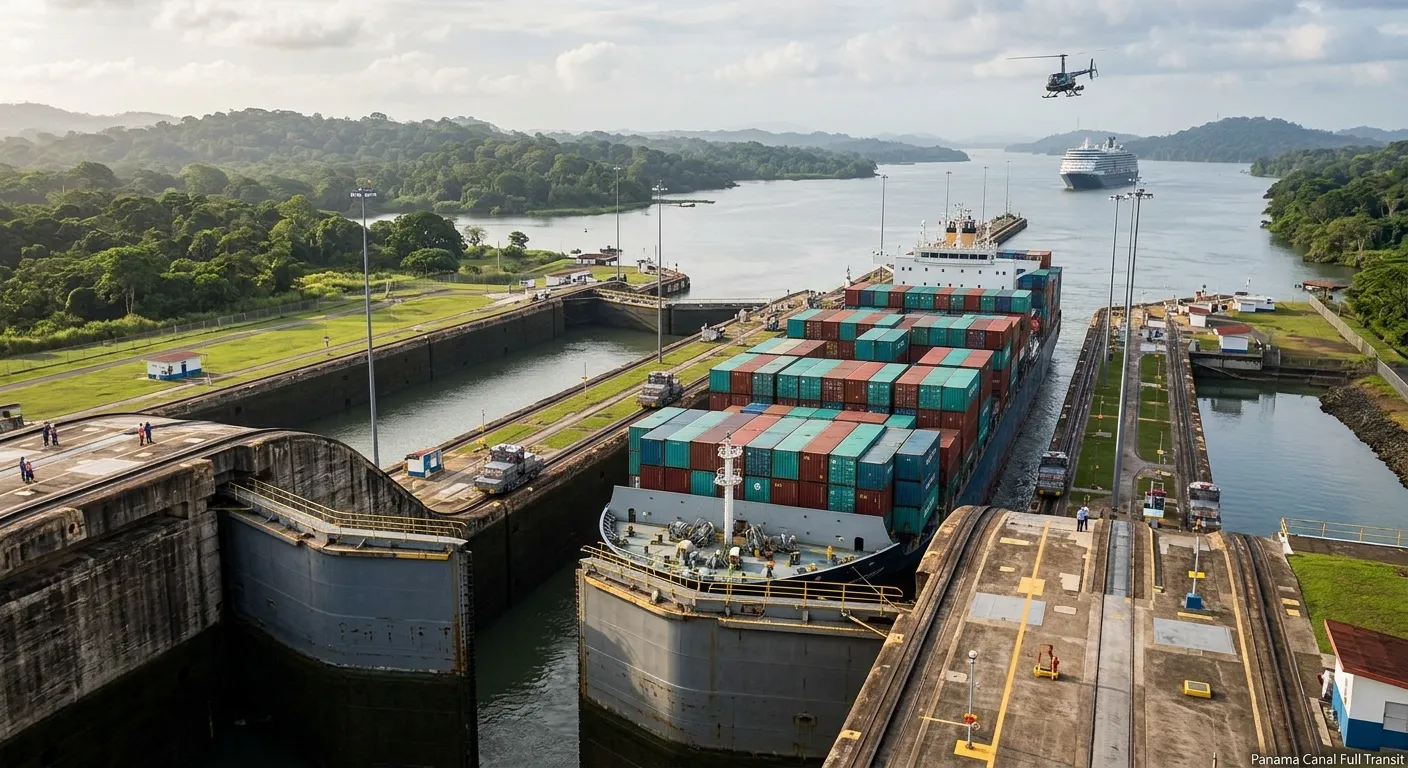
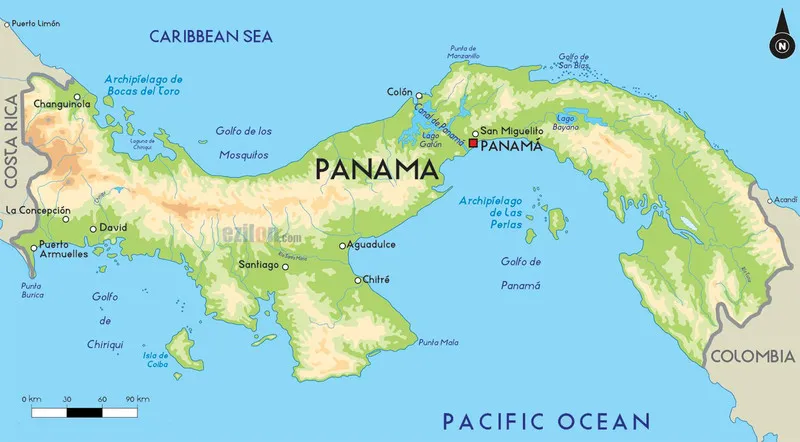
Partial transits are shorter. Usually 10 days maybe. You slide through the first set of locks, maybe float around Gatun Lake for a bit. Then the ship just turns right around and bails the way it came.
Why do a partial? Money. Also time. Not everybody has three weeks to burn on a ship pounding overpriced watery cocktails.
A partial transit actually lets you escape the ship sometimes. Take a smaller boat excursion tearing through the Gaillard Cut – literally carved through the continental divide – or take the Panama Canal Railway. I honestly prefer the full transit if you actually care about the history and the raw scale of the canal. If you just want an Instagram shot with a massive metal door closing behind a boat . . . maybe just do the partial. I don’t know. Depends entirely on your attention span.
A Very Brief, Brutal History of How the Canal Actually Got Built
Before you gawk at this concrete beast, you really ought to know the absolute nightmare it was to build. The French tried first in the 1880s under Ferdinand de Lesseps. Same dude who pulled off the Suez Canal. He arrogantly figured Panama would be a total breeze. It wasn’t.
The French sea-level plan was an apocalyptic disaster. Landslides. Financial ruin. Devastating outbreaks of malaria and yellow fever just slaughtered over 20,000 workers. They blew through roughly 287 million francs before bailing in total disgrace and bankruptcy.
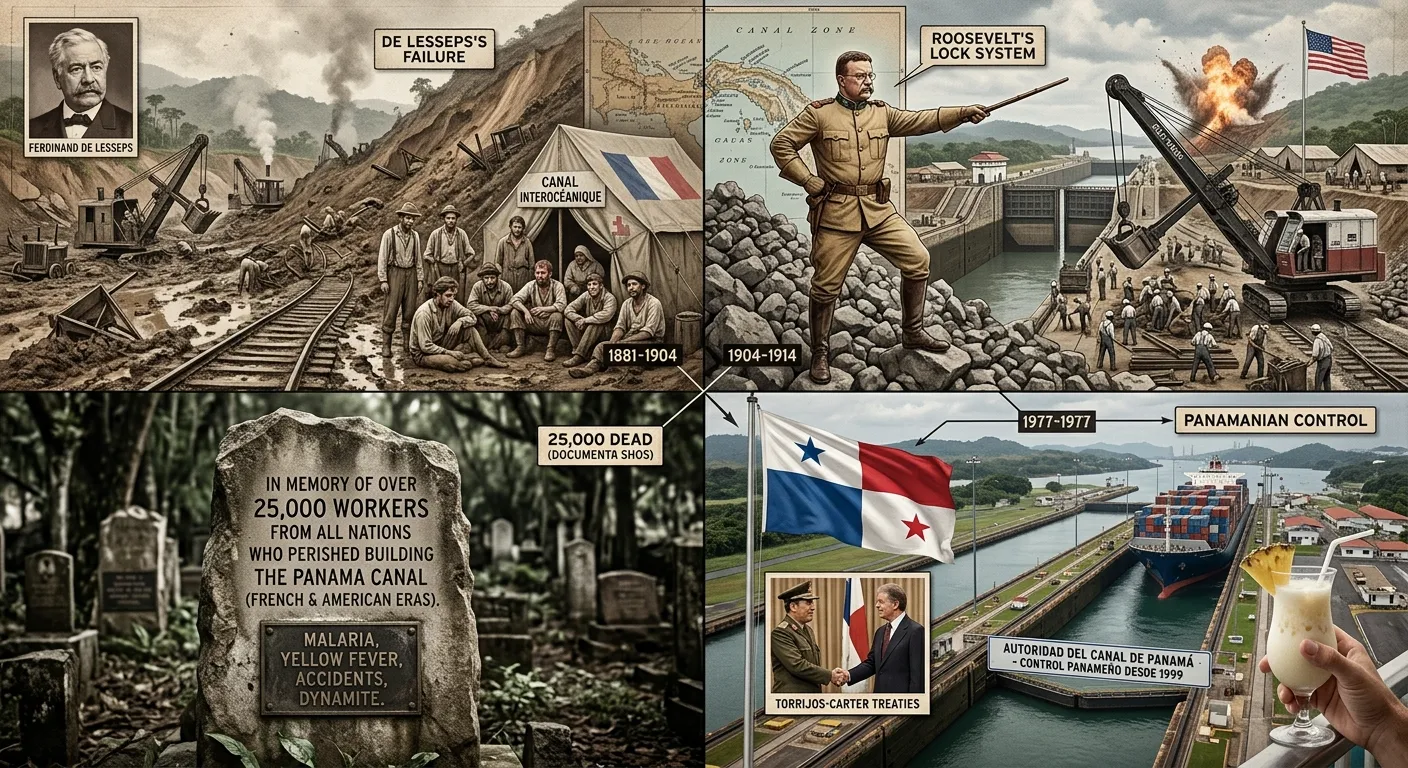
Then in the early 1900s Teddy Roosevelt and the U.S. government shoved their way in. They basically bankrolled a “revolution” to sever Panama from Colombia, scooped up the rusty French gear, and completely overhauled the design to a lock-controlled system. Which was way more realistic. It still demanded a staggering construction push, thousands more dead guys, and endless dynamite to blast through the continental divide. The U.S. gripped the Canal Zone for decades. This obviously caused furious diplomatic tension until the 1977 Torrijos-Carter Treaties finally set the stage to chuck it back to Panamanian control in 1999. Yeah. When you glide through those locks sipping a piña colada just remember the blood and geopolitical scheming that bought your vacation.
Comparing the Best Panama Canal Tours for Every Travel Style
Booking a tour for this place is a total cluster. There are infinite options and half of them sound identical.
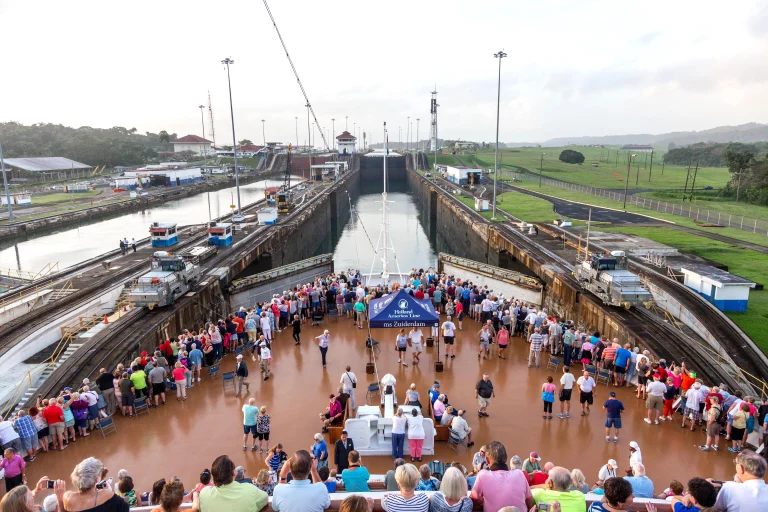
If you’re a cruise lifer, Holland America and Princess are usually the gold standard for this specific route. Princess runs the Coral Princess. A lot of forum geeks swear by it because it has these secret forward and aft viewing decks. You absolutely need those decks. If you get trapped on some mega-ship with zero open bow access you’re just going to be staring at some dude’s sweaty back the whole time you’re stuck in the locks.
Maybe you despise big cruises. I get it.
You can just fly into Panama City and bang out a day tour. Adventures Panama runs a 4-to-5 hour partial transit on a much smaller vessel called the Pacific Queen. You board in Gamboa where the dredging division operates, slide through the Pedro Miguel and Miraflores locks, and finish up at the Amador Causeway. Solid half-day. You get a totally wild perspective being that low in the water. Looking up at those concrete walls is terrifying.
There are also helicopter tours. Overpriced garbage.
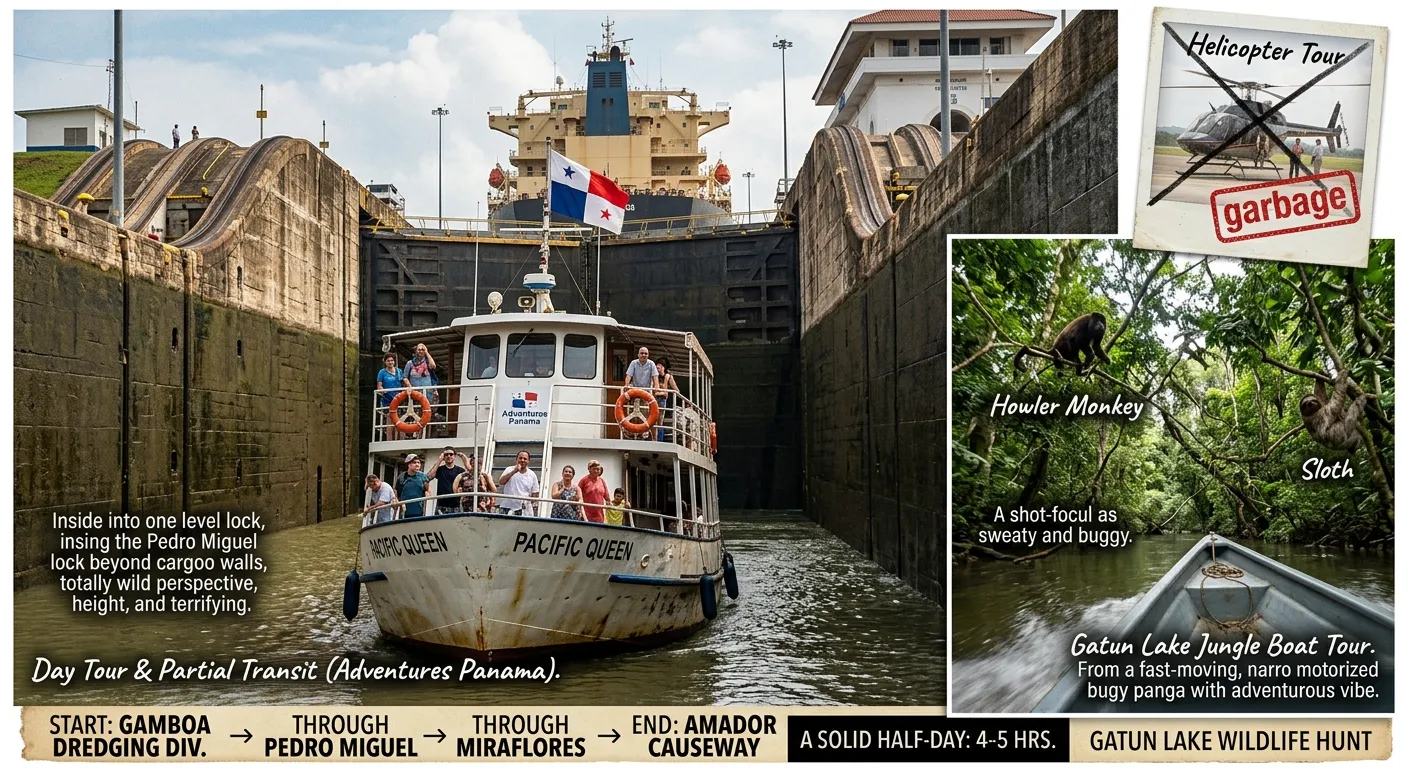
Jungle boat tours out on Gatun Lake are rad if you like monkeys and literally don’t care about the mechanical lock stuff at all. You zoom around hunting for howler monkeys and sloths. It’s sweaty. Buggy. Way more adventurous than rotting on a Lido deck though.
For the Eco-Nerds: Barro Colorado Island
If you really want to dive deep into the jungle vibe and completely ditch the cruise ship cattle herds, you need to look into Barro Colorado Island. When the mighty Chagres River was dammed in 1913 and 1914 to form Gatun Lake, this massive hilltop was suddenly turned into an island.
Today it’s a fiercely guarded biological reserve managed by the Smithsonian Tropical Research Institute. We’re talking nearly 400 bird species, five types of monkeys, and hundreds of scientists from everywhere running around investigating millions-strong ant colonies. You can actually visit the place. But because it’s an active research facility you have to book way in advance directly through the Smithsonian. The tour includes a boat ride straight through the canal’s main navigation channel followed by a sweaty, intense 2-to-3 hour guided hike with a resident naturalist. It’s a genuine living laboratory. If you’re into biodiversity just skip the crowded shore excursions and do this instead.
The Vintage Flex: Riding the Panama Canal Railway
Wait. You don’t even have to get on a boat to see the canal? Nope. You can just take the train. And not just any sad commuter rail.
The Panama Canal Railway Company operates a ridiculously cool passenger train ripping parallel to the waterway from Panama City on the Pacific side straight to Colón on the Atlantic. The absolute crown jewel of this whole operation is a vintage 1938 Southern Pacific Dome Car. They bought this piece of history and dumped almost a million bucks into remodeling it. It features rich wood paneling, carpeted floors, soft lamp lighting. Plus an upper deck with a full glass dome so you can stare straight up at the jungle canopy.
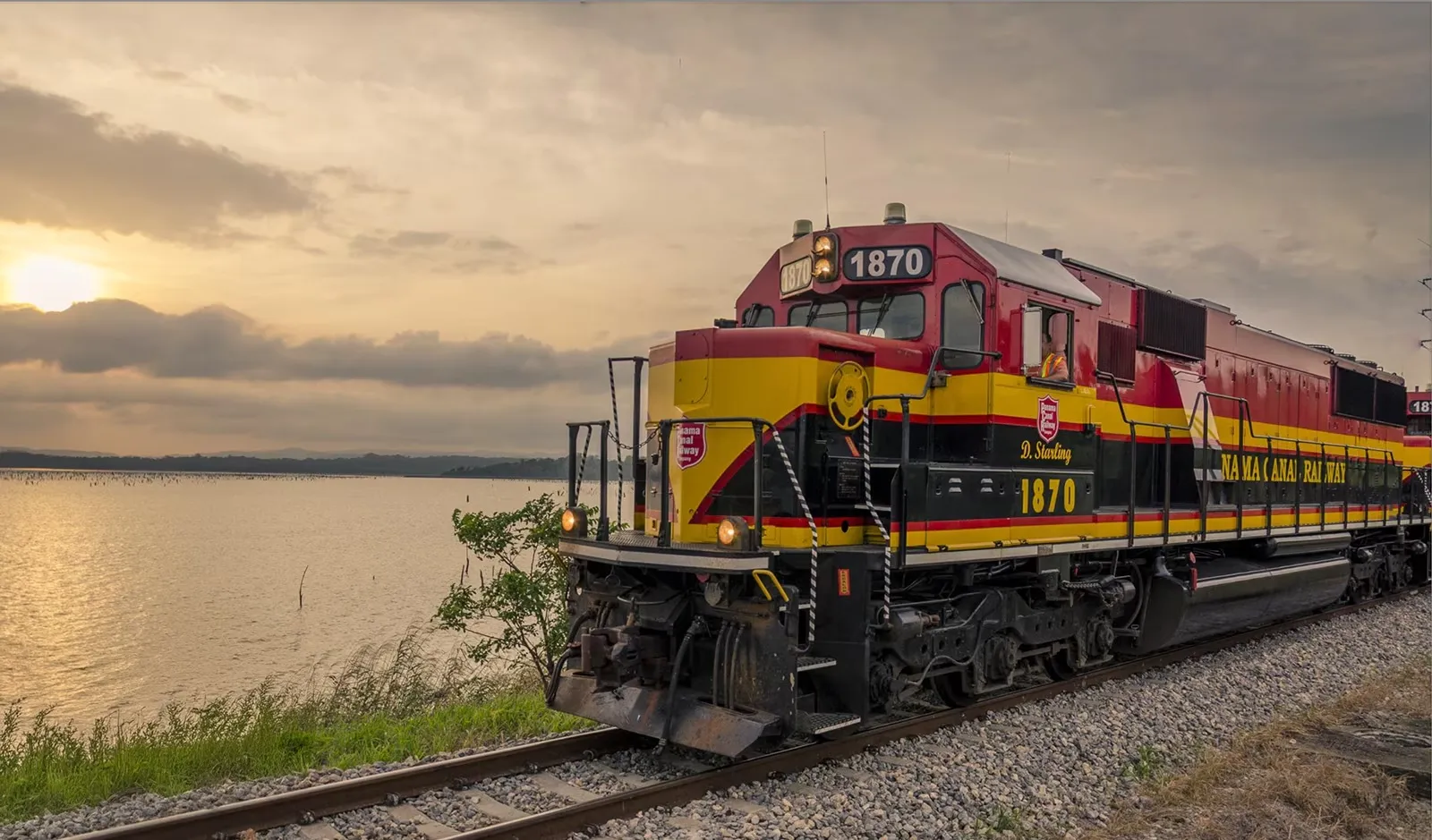
It’s essentially a commuter line for locals and business suits early in the morning but it’s famously hijacked by cruise passengers for shore excursions during the day. The views of the canal and Gatun Lake are phenomenal. There’s an open-air viewing deck where you can literally step outside and huff the rainforest air. Pure old-school travel glamour.
When to Go: The Best Month for a Panama Canal Cruise
Do not go in November. Just don’t.
I read this absolute horror story about a lady collapsing from dehydration on the bow of a ship in November. The heat and humidity in Panama during the rainy season are lethal. It literally feels like breathing soup.
The dry season runs from December through April. Be there then.
March is the absolute best month. No question.
By March the endless tropical downpours have completely died off and the humidity drops to a level that won’t instantly destroy your hair. You’re looking at sunny days in the mid-70s to high 80s. A nice breeze usually kicks in too. Late January and February are decent alternatives.
Honestly even in the dry season you need to bring a hat and drink a stupid amount of water. Central America weather is completely unforgiving. If you book a dirt-cheap cruise in August or September because you found some deal – well… you’re going to be soaked. The entire time. Torrential rains hide the views of the lush rainforest anyway. You get what you pay for.
Panama Canal Cruises to Stay Away From and Red Flags to Watch Out For
Let’s talk about the trash ones.
Avoid any cruise line that slaps a vague marketing term like “Sunfarer” on their itinerary without explicitly stating it’s an actual canal transit. Sometimes they just port in Colón and you literally have to pay extra for an excursion just to lay eyes on the canal. Massive scam.
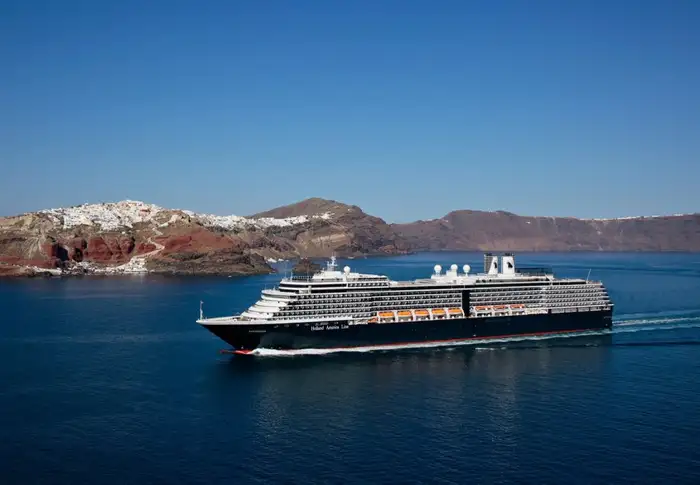
Another gigantic red flag is booking an inside cabin on a ship that has horrendous public viewing areas. If the ship doesn’t open the bow for passengers during transit you are going to be completely miserable fighting for window space. Do your research on the specific ship class.
Watch out for ultra-cheap repositioning cruises on aging ships that completely drop the ball on narration. A proper transit needs an onboard guide explaining the insane history of the French failure and the American engineering triumph. If your ship just blasts terrible lounge music while dragging through the locks . . . you’ve picked the wrong cruise line.
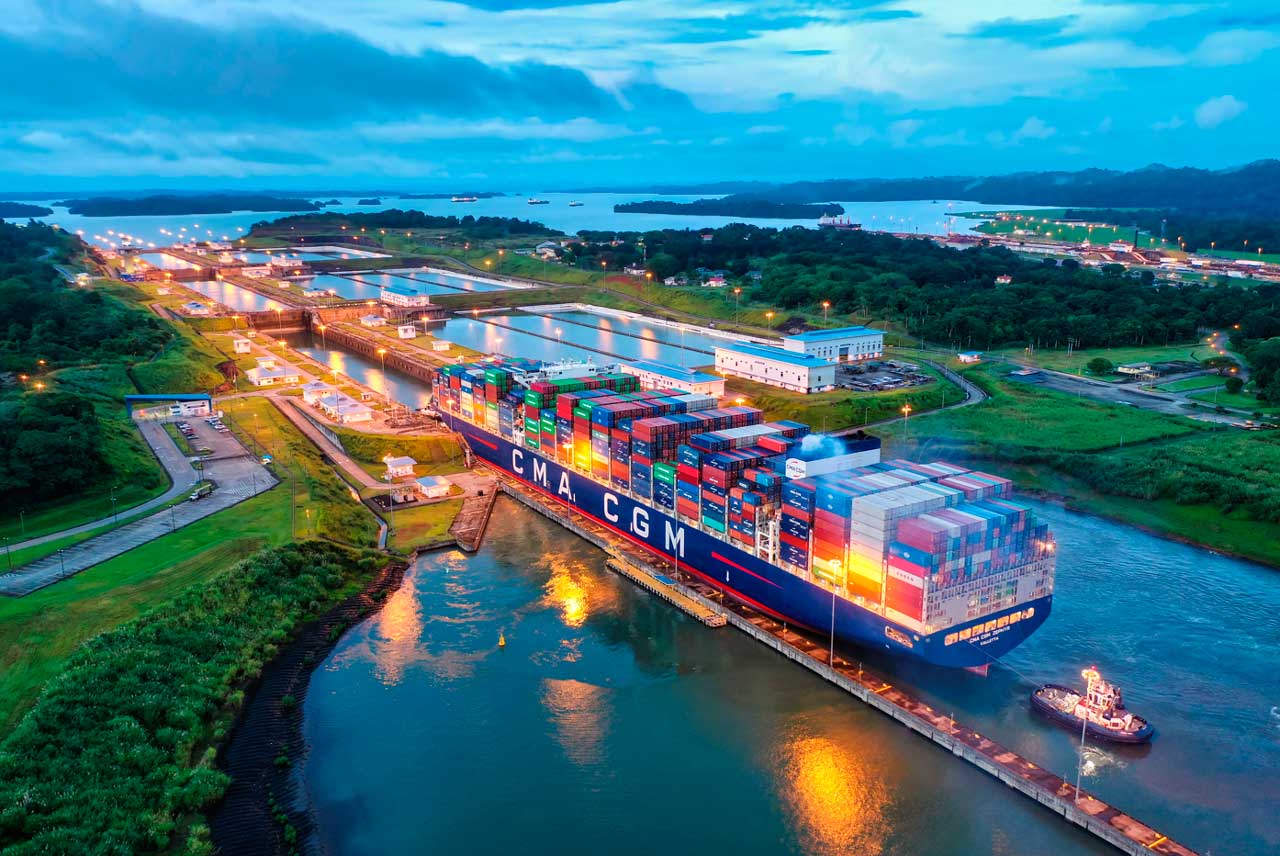
I’d skip the mega-ships entirely. They barely fit in the new Neopanamax locks. The staggering volume of passengers makes the whole experience feel exactly like Black Friday at Walmart. Completely ruins the vibe.
Is the Miraflores Visitor Center Worth It? A Complete Review
Okay. The Miraflores Visitor Center.
If you are actively doing a cruise through the canal, skip it entirely. You are literally living the experience right then. You do not need to stand on a crowded concrete balcony to watch other ships do the exact thing you just did.
But if you are just crashing in Panama City for a few days? Yeah it’s worth it. Mostly.
The visitor center has this multi-story observation deck. You have to time your visit right though. Ships only transit certain directions at highly specific times of day. Usually mornings are for Pacific-bound ships. Afternoons are for Atlantic-bound. If you wander in at noon you might literally just stare at a puddle of empty water for two straight hours.
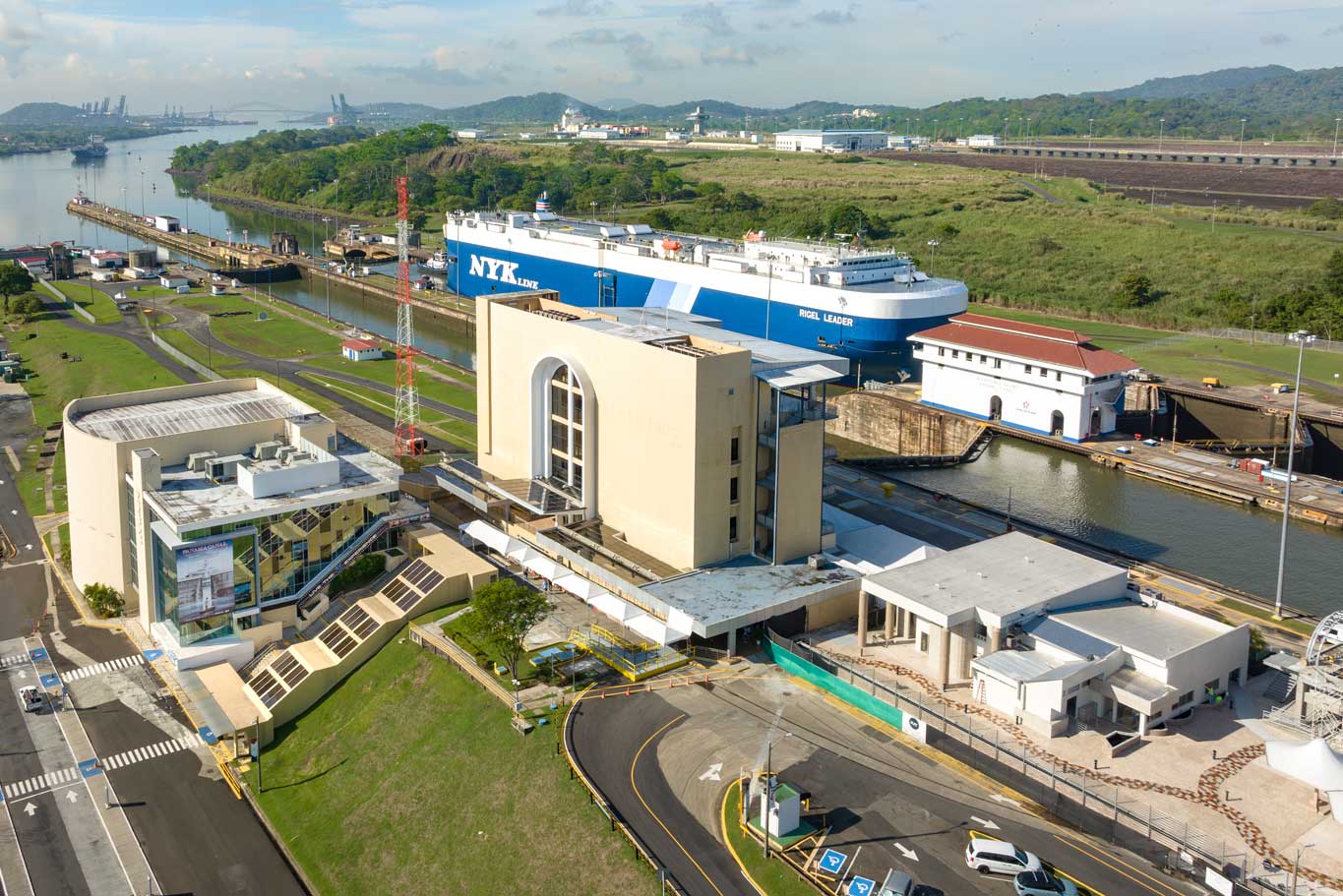
They also screen an IMAX 3D movie narrated by Morgan Freeman. It’s actually pretty sick. I mean… it’s Morgan Freeman talking about dirt and water. How bad could it be?
The exhibits are okay. A bit dated. But seeing those massive cargo ships squeeze through the old locks with mere inches to spare is absolutely wild. The mules – those little electric trains that guide the ships – ring these deafening bells constantly. It’s a whole sensory assault.
Just manage your expectations here. It gets brutally packed with screaming school groups and tourists shoving you out of the way. Bring patience.
Miraflores vs. Agua Clara: Seeing the New Locks
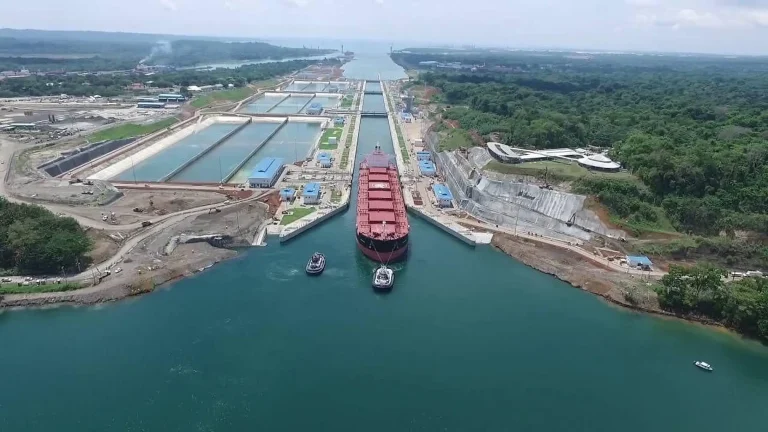
Since we’re stuck talking visitor centers let’s address the massive elephant in the room – the 2016 canal expansion. The old locks are cool but the new Neopanamax locks are terrifyingly huge. If you want to witness the modern engineering flex you need to head over to the Atlantic side to the Agua Clara Visitor Center.
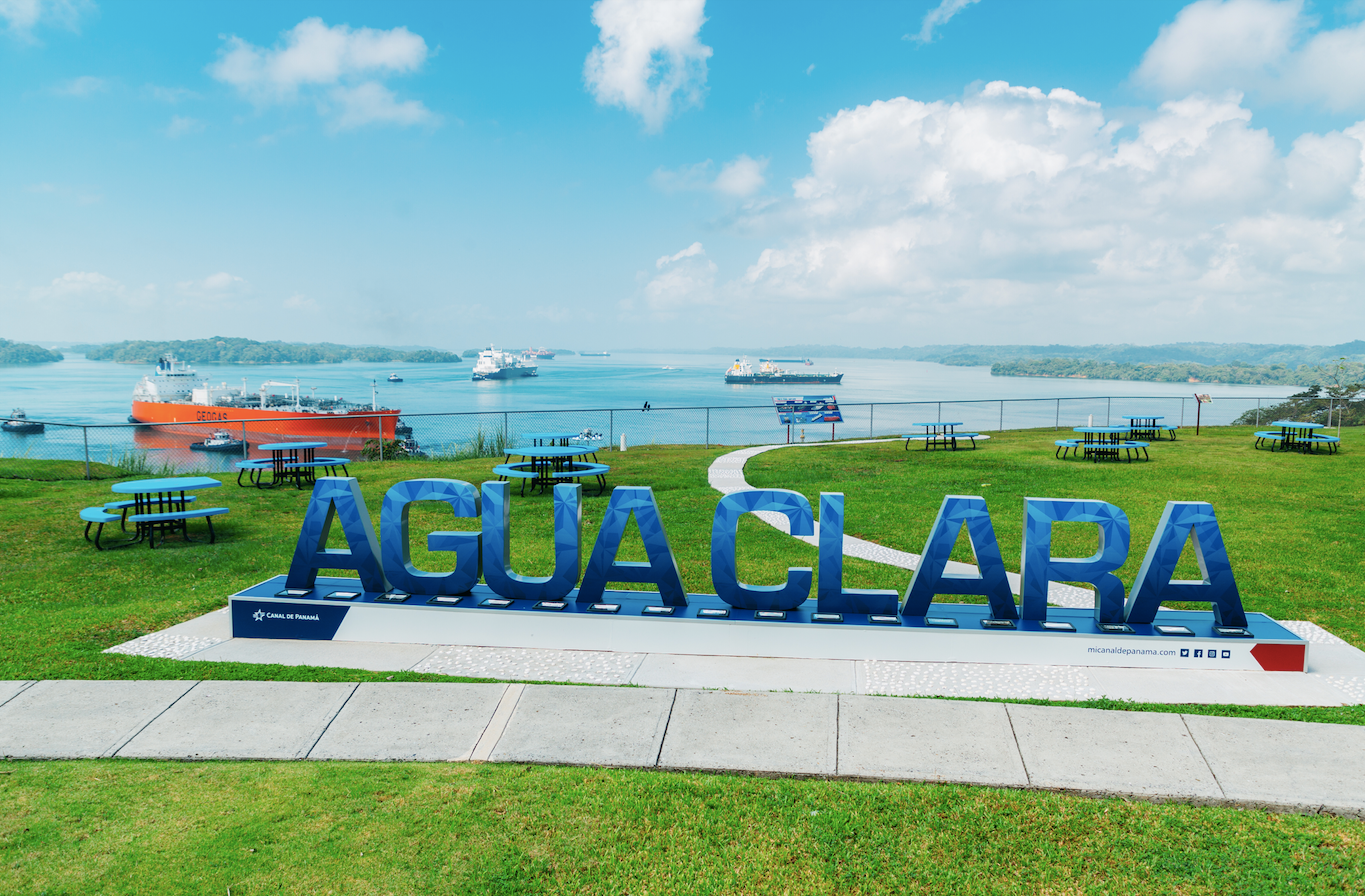
Unlike the ancient locomotive “mules” that yank ships around at Miraflores, the Agua Clara locks use massive tugboats and a highly advanced water-saving basin design. The visitor center here is arguably better if you actually want panoramic views. You get sweeping open-air terraces looking out over Gatun Lake and the imposing Atlantic Bridge. Plus it’s usually slightly less of a chaotic tourist trap than Miraflores. If you take a shore excursion or grab a random taxi from Colón, entry is just 10 bucks for non-resident adults. You can easily pair a visit here with a trip to the nearby Fort San Lorenzo. It’s a cliffside Spanish colonial ruin that is way cooler than it sounds.
Essential Tips for Planning Your Perfect Panama Canal Adventure
Pack lightweight clothes. I don’t care what month you go. You will sweat.
Sunscreen is completely non-negotiable. The sun reflecting off that murky water during a transit will fry your skin in 20 minutes flat.
If you are on a cruise wake up early. Like… stupid early. 5:00 AM. Grab a dreadful cruise coffee and claim a spot on the front of the ship before the bridge even approaches the first set of locks. The approach in the pitch dark as the sun bleeds over the jungle is the best part of the entire trip.
Don’t over-plan your shore excursions on a partial transit. If you do a 10-day trip maybe just do one heavy tour in Panama and use the Caribbean stops to basically just rot on a beach.
Get a balcony room. Honestly I know it’s wildly expensive. But being able to sit in your underwear on your private balcony while navigating the Gaillard Cut is a flex you absolutely deserve.
Try the local coffee if you spend any actual time in Panama City. Geisha coffee is crazy expensive but completely life-changing.
Just book the trip. It’s messy. Hot. Weirdly industrial for a tropical vacation. But there is nothing else like it on the planet.