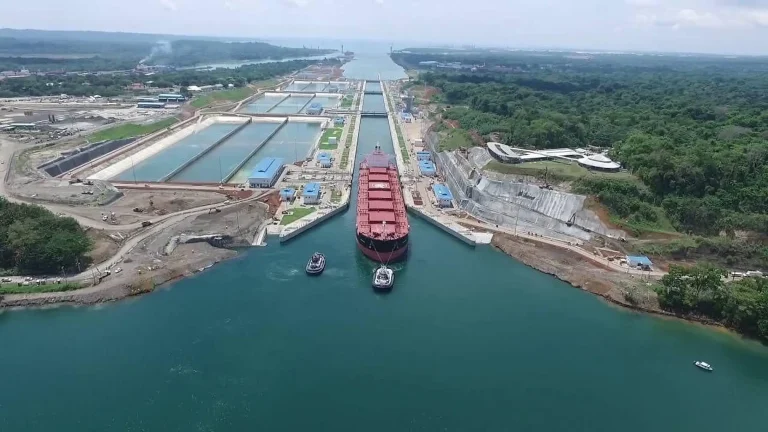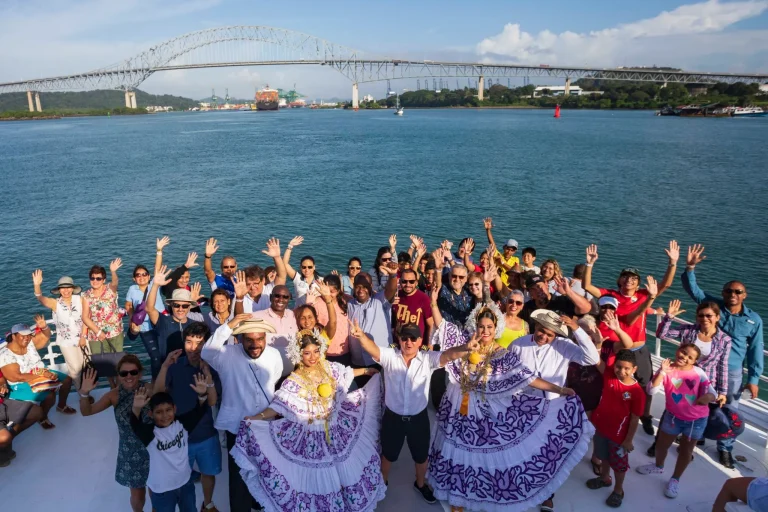
I think people romanticize this ditch way too much. A concrete trench slicing two continents apart – it is a mechanical marvel I guess. But let me tell you the heat is absolutely brutal. You stand out on the open deck waiting for a monumental life-changing epiphany and end up just sweating through your Tommy Bahama shirt. Watching massive steel hulls squeeze through the Miraflores locks with literally inches to spare defies basic physics. Some folks call it the trip of a lifetime. I just think it is a really long boat ride you absolutely must endure once. You will see jungle on all sides. You will see cargo ships hauling plastic junk to unpronounceable ports. The whole ordeal feels entirely unhinged. Maybe it is the staggering level of human arrogance required to carve through a mountain. A mountain that murdered nearly 26,000 workers during the grueling French and American construction eras by the way. Mud, dynamite, and malaria.
The Great Debate: Partial vs Full Transit
Before you stress about the suffocating humidity you have a logistical nightmare to untangle. You have to figure out if you actually want to cross the whole thing.
A “Full Transit” means ocean to ocean. Florida to California or the reverse. You get the bragging rights of conquering the Pacific and the Atlantic. You also inherit the absolute headache of booking expensive one-way flights to deal with your departure ports. These slogs are long. Taking 14 to 20 days with a whole lot of empty sea days just stretching forever.
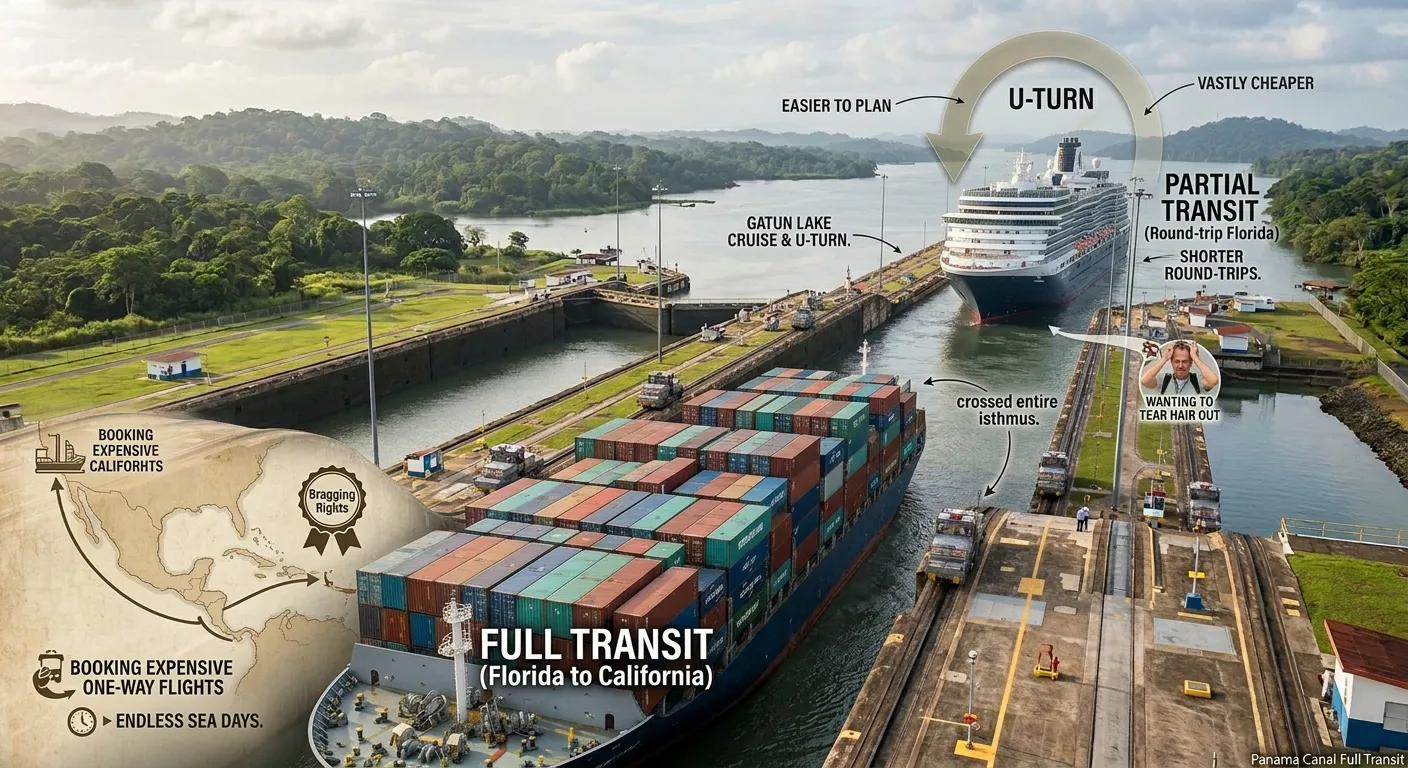
Then there is the “Partial Transit.” Your ship slides into the first set of locks, cruises a few miles into Gatun Lake and . . . simply turns around. Goes right back out the exact way it came. It feels like reading half a thriller. But people love it because these are usually shorter round-trip sailings out of Florida. Vastly cheaper and easier to plan. You get the mechanical spectacle without wanting to tear your hair out. You still sweat just as much. You just miss out on saying you crossed the entire isthmus.
Seasonal Highlights: What is the Best Month to Visit the Panama Canal?
Timing is everything down in the tropics. Forget the glossy brochure lies about year-round paradise. Dry season kicks off in mid-December and limps into April. March is your safest bet to avoid getting drenched on your way to the buffet.
January and February are solid. Just brace yourself to share the tight deck space with thousands of other tourists who had the exact same genius idea. Maybe January is better to escape the winter freeze back home. The humidity drops to a tolerable state for human survival.
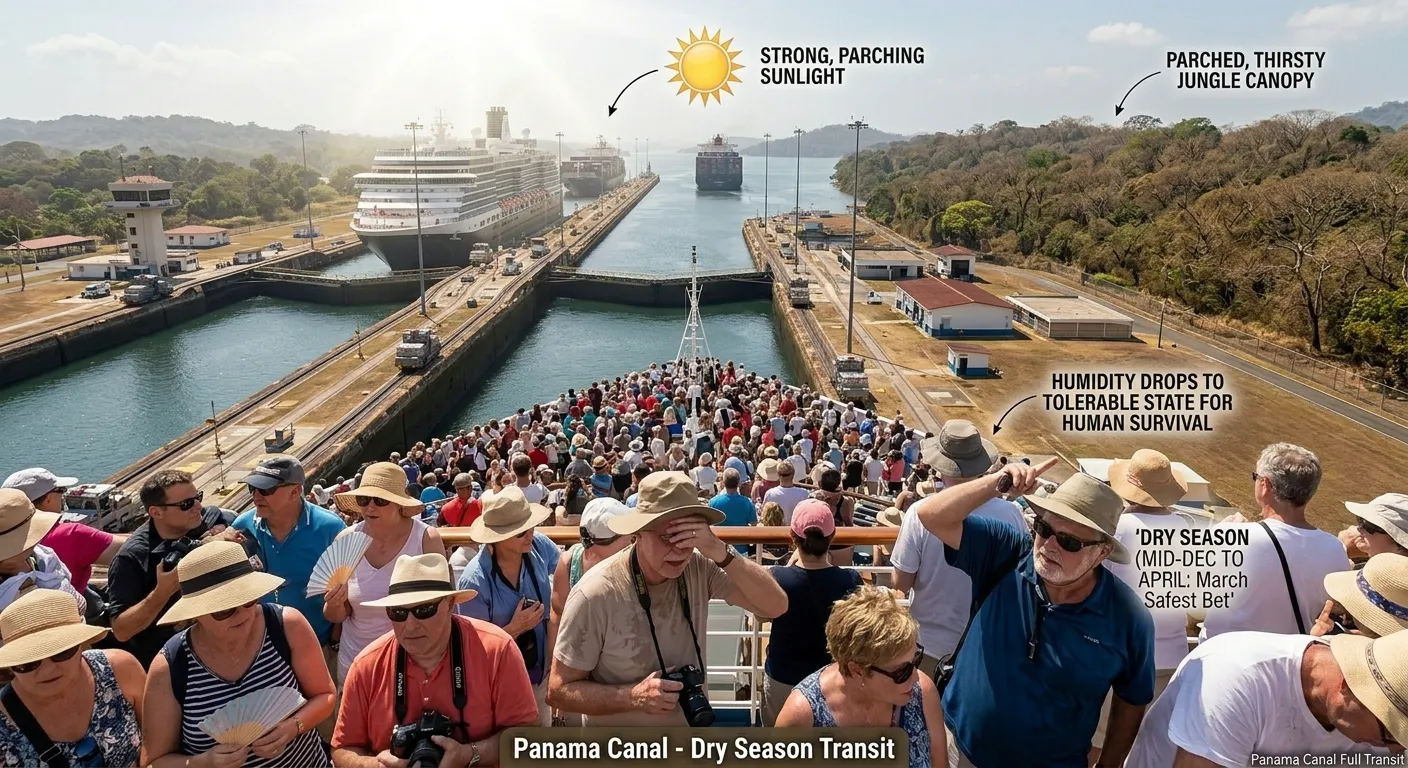
It is easier to breathe.
During these months the jungle canopy looks parched. Thirsty. I will gladly take brown trees over a biblical downpour frying my camera gear.
Peak Sailings: What is the Best Month to Cruise Through the Panama Canal?
Cruise lines gouge you in February for a reason. It is the undisputed king of transits. Weather stays put and you get these crisp mornings where the sunlight just glints off the water perfectly. Snapping photos you will probably never look at again.
Crowds are a nightmare though. Every snowbird from Florida to Ontario is on board making a racket.
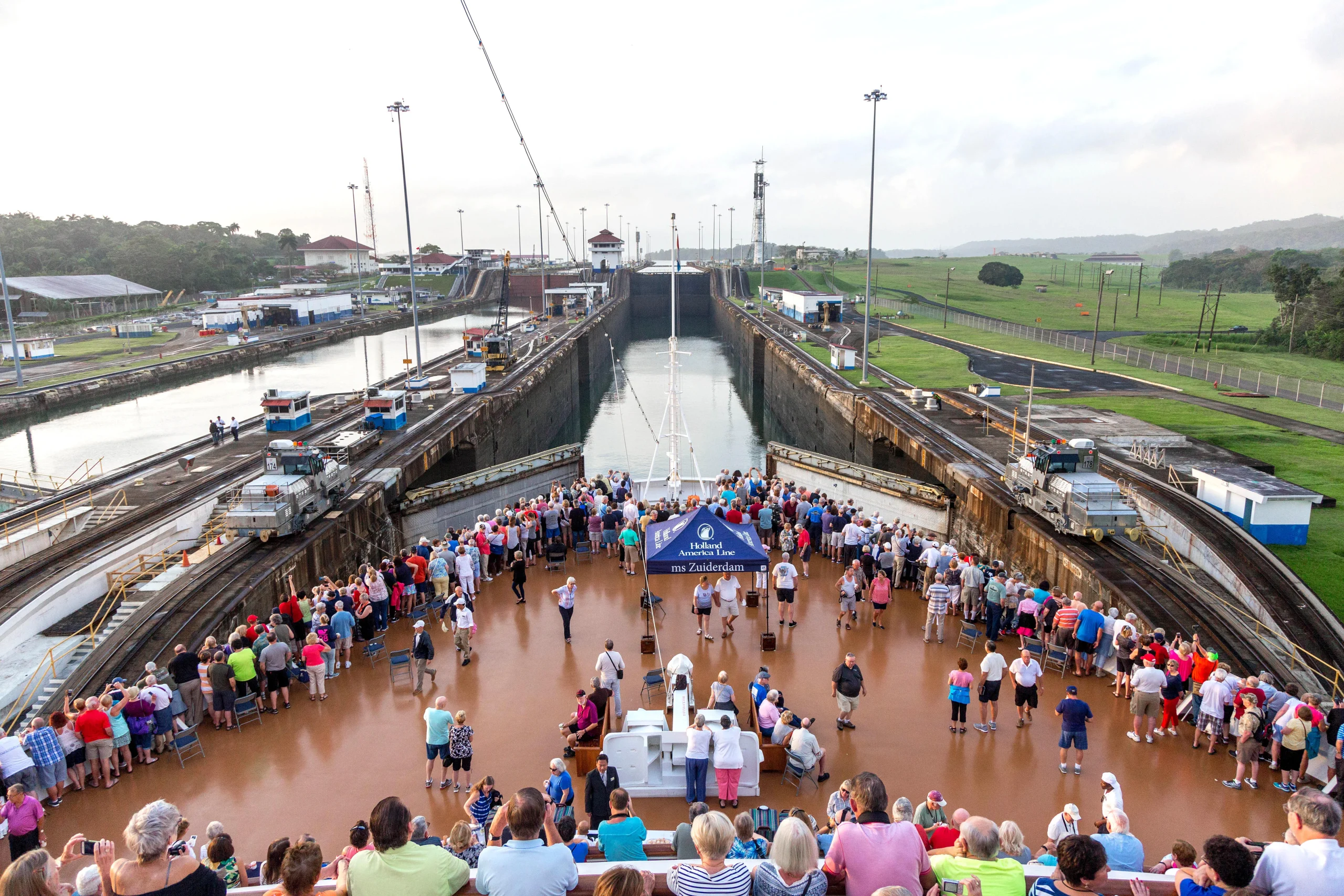
Is February worth the markup? I think so. Paying thousands to stare at a wall of fog is a bad beat. You want to actually see the canal.
Cost-Saving Strategies: What is the Cheapest Time of Year to Go to Panama?
You want to save a buck. I get it. Shoulder season is your friend. Look at late September through November. Prices crater and cruise lines are practically begging you to board. They slash rates because they know a dirty secret.
It is going to rain.
September deals are insane. Snag a balcony room for the price of an interior closet. Cheap comes with a massive catch though. The weather is a total crapshoot. You might get lucky. Or spend six days staring at gray skies wishing you stayed in bed.
A gamble. Sometimes you win… sometimes you get completely washed out.
Tropical Downpours: What is the Rainiest Month in Panama?
November. God yes November. October is a close second but November takes the crown for sheer aquatic misery. The sky unzips and aggressively dumps water. Not a cute afternoon drizzle. A full-blown deluge. Streets in Panama City flood while humidity parks itself at roughly one million percent. Book a November cruise and you better pack serious Gore-Tex. Forget those flimsy dollar store ponchos. Get a real jacket. Or stay inside and drink.
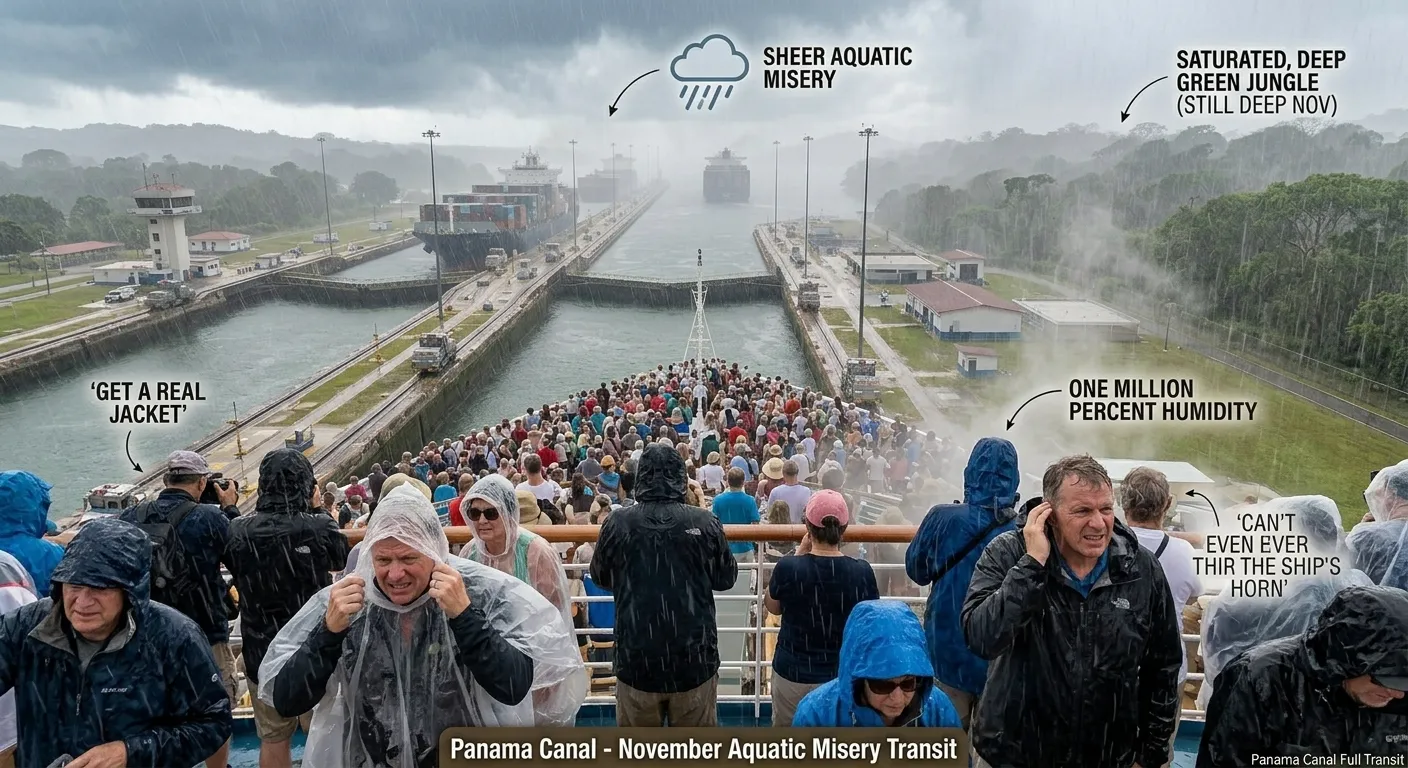
I remember being there one November . . . the rain was roaring so loud I couldn’t even hear the ship’s horn. Insane.
Maybe some freaks love that moody vibe. I found it deeply frustrating.
Old Locks vs. New Locks: Don’t Book the Wrong Ship
Here is a sneaky detail the cruise lines deliberately hide – there are two different Panama Canals now. The ship you book dictates your reality.
The original 1914 locks (Gatun, Pedro Miguel, Miraflores) are the ones you want. They use historic swinging gates. Your ship squeezes into the chamber with literal inches of clearance. It is a claustrophobic thrill. Visually stunning.
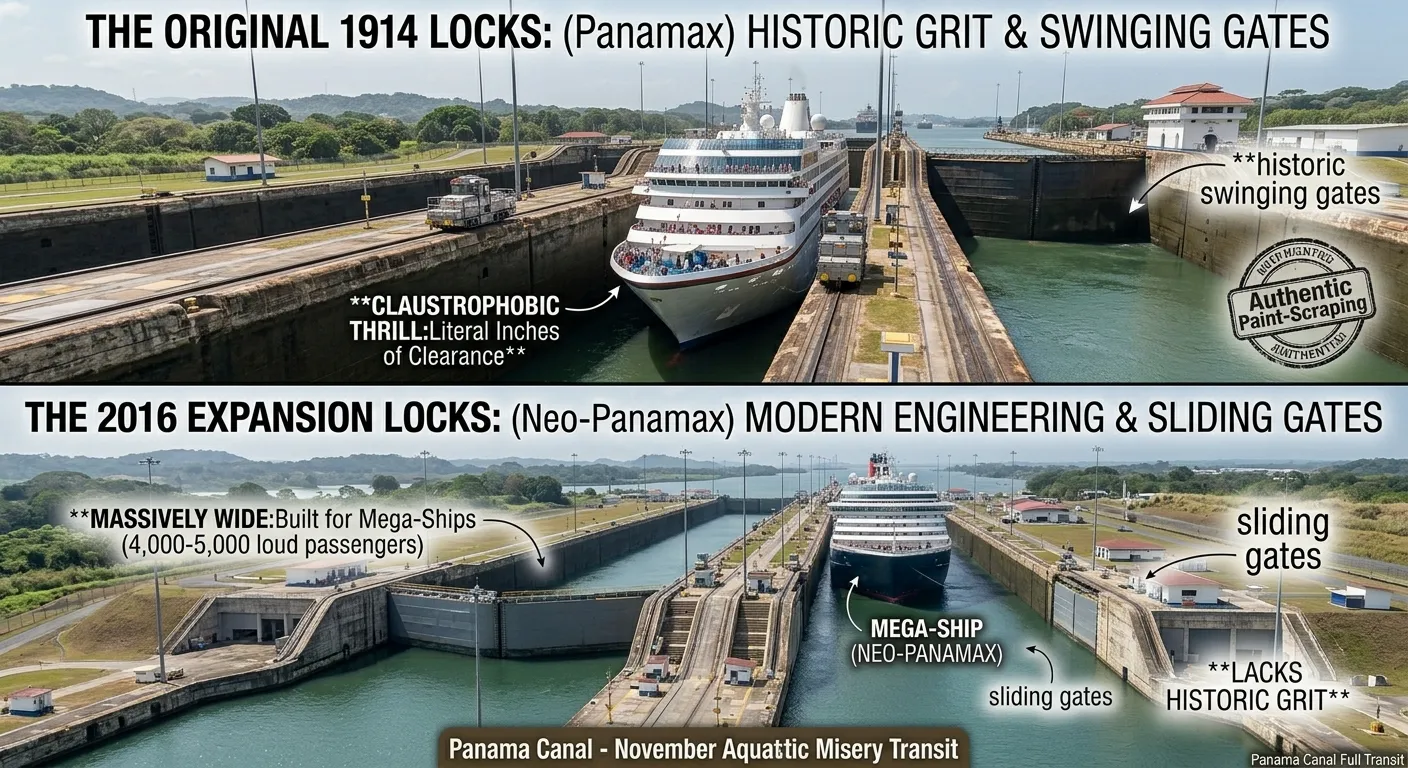
Then you have the 2016 expansion locks (Agua Clara and Cocoli). Built specifically for mega-ships holding 4,000 to 5,000 loud passengers. Neo-Panamax vessels. They use sliding gates and are massively wide. A modern engineering flex maybe but transiting them lacks the historic grit of the original route. If you want the authentic paint-scraping experience intentionally book a smaller “Panamax” ship that actually fits the 1914 locks. Do your homework before swiping your card.
Optimal Viewing: Which Side of the Ship is Best for a Panama Canal Cruise?
People lose their minds over this. Port or starboard? Left or right? Drives me bananas because here is the secret nobody admits – it literally does not matter. Land on both sides. You are in a narrow channel. What you need is bow access. Or aft. The front or back is where the magic happens. Watching giant locks swallow the massive ship. A private port balcony just gets you a view of concrete and maybe a rogue crocodile baking in the mud. Get out of the room. Hit the open decks. Find a spot early because people are vicious and will aggressively elbow your ribs for a good angle. Full transits mean the equatorial sun cooks you alive for hours. Wear heavy sunscreen.
Honestly find some shade.
Transit Timeline: How Long Does it Typically Take to Go Through the Panama Canal?
Long day. Expect to creep along for 8 to 10 hours. Usually closer to 10. Only 50 miles but you crawl because electric locomotives called mules have to precisely maneuver you. They constantly whine and grind against the tracks. A loud industrial symphony. You spend hours just killing time parked in Gatun Lake.
Sounds tedious. Sometimes it really is. Bored out of your skull by hour six wondering what time lunch opens. Then you remember your ship paid anywhere from $600,000 to a million bucks in tolls for this exact crossing. You better stay outside. (Fun fact – lowest toll was 36 cents by an American wildman named Richard Halliburton. Swam the entire canal in 1928. Charged by body weight.)
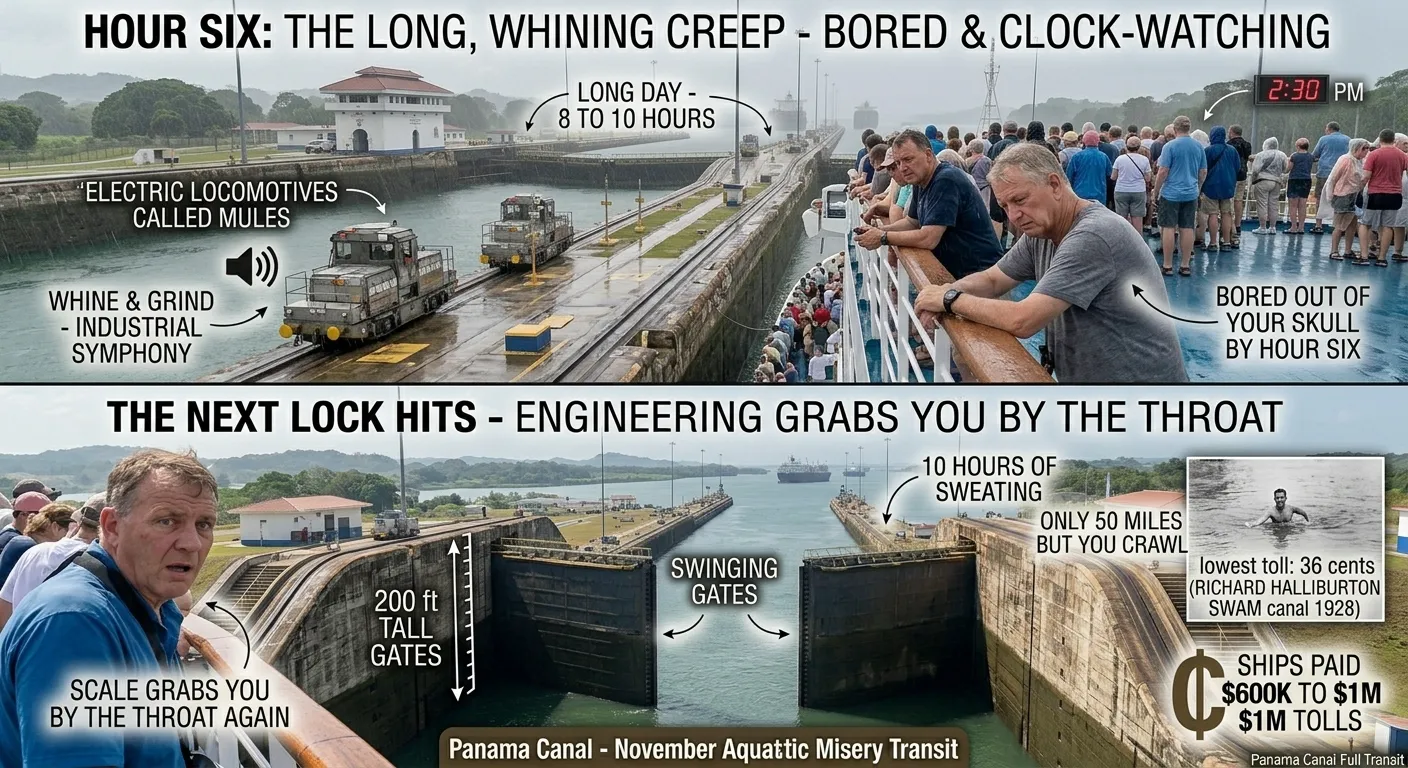
Then the next lock hits and the scale of the engineering grabs you by the throat again. 10 hours of sweating.
Fascinating if you like logistics I guess.
Escaping the Ship: Shore Excursions That Are Actually Worth It
Partial transits or port days unleash you into the wild. Ditch the boring air-conditioned bus tours immediately.
Book a small boat out to Monkey Island in Gatun Lake. They rip right into jungle backwaters where wild white-faced capuchins, tamarins, and howler monkeys live. Notoriously curious little thieves. They might swing right onto the roof of your boat looking for snacks or shiny things to steal. Pure chaos. Excellent.
If you want pavement grab a cab to Casco Viejo in Panama City. A UNESCO World Heritage site full of crumbling architecture jammed up against sleek cafes. Drink strong Panamanian coffee and eat heavy empanadas. Staring at the towering modern skyline from old cobblestones. Blindingly hot but better than making awkward small talk on the Lido deck.
Conclusion: Making the Most of Your Panama Canal Adventure
Just go. Book the ticket. Pack light and prepare to sweat profusely.
Don’t overthink the itinerary or panic about the rain. It is a massive chunk of bloody human history rotting right there in the steaming jungle.
Maybe you will love it. Maybe you complain about humidity the whole time.
I think the scale of it just shatters your brain for a minute. Then you go back to eating soft serve.